





Audio translation
Translate audio content into a target language with appropriate language expertise and structured workflows. This service supports multilingual content production, localization, voice-over preparation, and subtitling workflows, based on your project requirements and the deliverables included.
Emotion Annotation for Audio
Label vocal expressions and relevant acoustic characteristics to prepare high-quality datasets for emotion recognition models. Based on your annotation guidelines, labels can capture emotional categories and observable vocal cues, including tone and intensity.

Audio Tagging and Classification
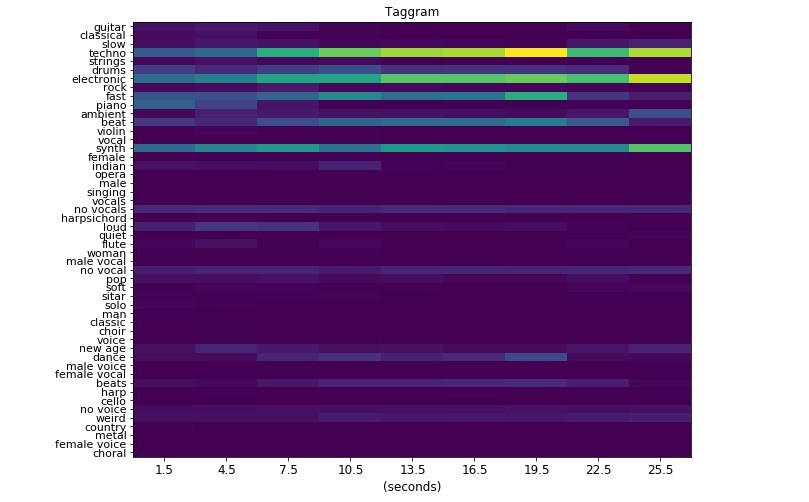
Assign descriptive labels to audio recordings based on their content, sounds, speech, and other relevant characteristics. These labeled datasets help support audio classification, content categorization, and sound recognition models.
Speaker Recognition and Annotation
Annotate speaker-related information in audio recordings to support speaker recognition and voice-based AI applications. Depending on your project requirements, this may include speaker labeling, identifying speaker changes, or matching recordings to known speakers when authorized reference data is available.

Audio and Acoustic Fingerprinting
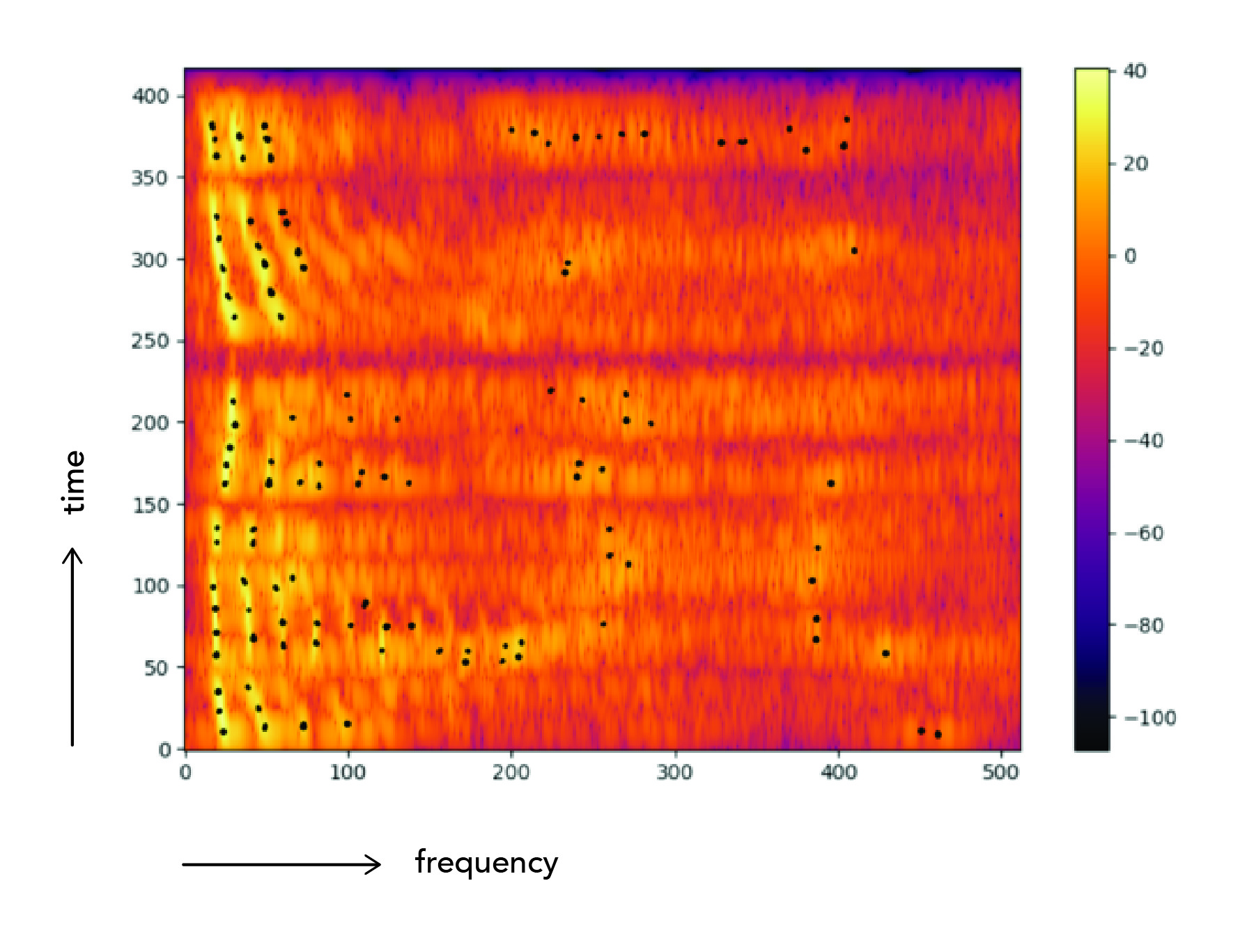
Analyze distinctive acoustic characteristics of audio content to identify matching or related recordings. Audio fingerprinting supports duplicate-content identification, media matching, and the detection of different versions of the same recording.
Frequently Asked Questions
Audio annotation services involve labeling audio recordings with relevant information, such as speech content, sound categories, speaker labels, or acoustic characteristics. These labeled datasets can support the training and evaluation of AI models for speech recognition, audio classification, and other audio-based applications.
Depending on the project requirements, audio datasets may include conversations, recorded speech, voice recordings, environmental sounds, and other audio content. Supported formats and annotation requirements should be confirmed before starting a project.
Audio annotation and audio labeling are closely related terms for adding structured information to audio data. Depending on the task, this may involve assigning sound categories, labeling speakers, identifying relevant audio segments, or recording other metadata for AI training.
Audio translation involves converting spoken content from one language into another. It can support multilingual communication, voice-over production, and subtitling workflows. Translation is distinct from audio annotation, although both may be used within the same project.
Emotion annotation involves labeling vocal characteristics or perceived emotional categories in audio according to defined guidelines. Depending on the task, annotators may consider characteristics such as tone, loudness, tempo, and voice quality. These labels represent annotation judgments and do not establish a person's actual emotional state.
Audio tagging assigns descriptive labels to recordings based on their content or relevant sound characteristics. The resulting datasets can support audio classification, sound recognition, and content categorization models.