



Component Inspection and Quality Control
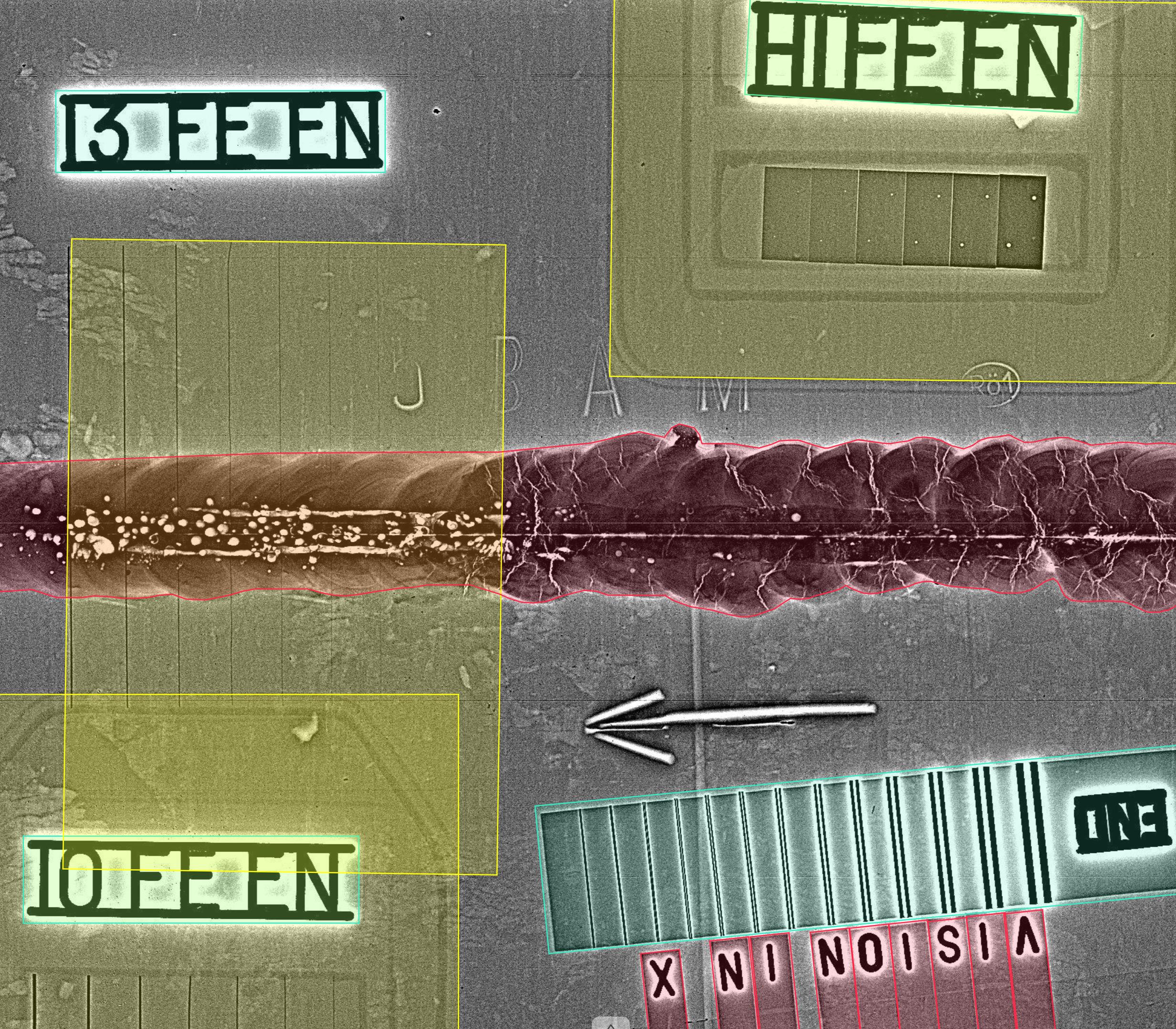
Visual inspection data annotation helps identify and label manufacturing components, assemblies, and visible defects for automated inspection models. These structured datasets support computer vision applications across various manufacturing processes, including:
- PCB Component Detection: Identify and label printed circuit board components for automated inspection.
- Automotive Parts Quality Inspection: Annotate automotive parts and visible defects to support quality assessment.
- Bottling Line Inspection: Label bottles, caps, packaging, and visible production defects.
- Textile Defect Analysis: Identify fabric irregularities, surface defects, and inconsistencies.
- Welding Inspection: Annotate visible welding defects and irregularities for inspection models.
Predictive Maintenance
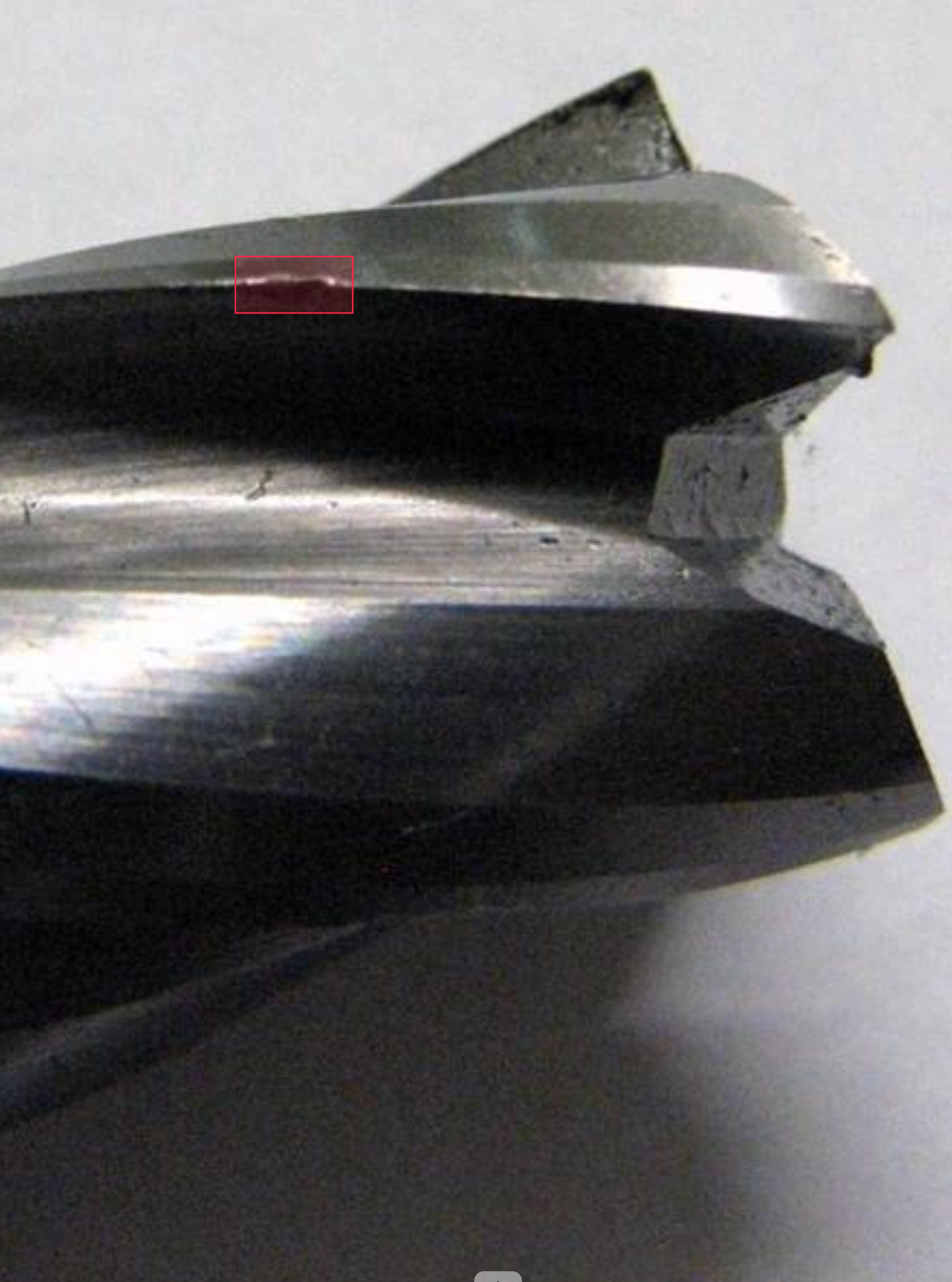
Annotated industrial data helps train computer vision models to identify visible equipment abnormalities and signs of wear. Depending on the available data and project scope, these datasets can support predictive maintenance applications such as:
- Industrial Equipment Monitoring: Label equipment components and visible condition changes for monitoring applications.
- Visual Identification of Wear and Tear: Annotate surface damage, corrosion, cracks, and other visible signs of deterioration.
- Thermal Image Analysis: Label relevant thermal patterns and temperature variations in thermal imagery.
- Inspection of Equipment Conditions: Identify and annotate visible abnormalities to support equipment condition assessment.

Inventory Management and Logistics
Manufacturing data annotation helps prepare structured datasets for product identification, item tracking, and inventory movement monitoring across production facilities and warehouse environments. These datasets can support applications such as:
- Warehouse Object Recognition: Identify and label products, containers, pallets, and other warehouse objects.
- Conveyor Belt Item Tracking: Annotate items moving along conveyor belts to support tracking and recognition models.
- Inventory Barcode Detection: Label visible barcodes and product identifiers for automated inventory recognition.
- Supply Chain Visualization: Annotate products, packages, and material movement to support visual monitoring across manufacturing and warehouse operations.
Worker Safety and Compliance
Worker-safety annotation prepares image and video datasets for computer vision applications that identify relevant workplace conditions, safety-related objects, and potential hazards. These annotated datasets can support applications such as:
- Personal Protective Equipment (PPE) Detection: Identify and label safety helmets, protective gloves, high-visibility clothing, and other protective equipment.
- Hazardous Area Monitoring: Annotate restricted zones, hazardous areas, and relevant workplace conditions for visual monitoring.
- Ergonomics-Related Posture Analysis: Label human body positions and postures to support workplace ergonomics assessment.
- Visual Incident Analysis: Annotate visible workplace incidents, unsafe conditions, and relevant environmental details for safety analysis.






Frequently Asked Questions
Manufacturing data annotation services label industrial images, videos, or other supported data so that computer vision and other AI models can learn from structured examples. Tasks may include component labeling, visible defect annotation, inventory object labeling, and PPE annotation.
Annotated images provide labeled examples of components, assemblies, and visible defects. These datasets can support training and evaluating computer vision models designed for automated visual inspection.
Defect detection annotation involves labeling visible defects or irregularities in images or video according to defined categories. The resulting annotations can be used to develop or evaluate models for industrial inspection.
PCB component annotation can involve labeling electronic components and relevant visual features in board images. Confirm the required component categories, annotation formats, and service scope with LabelOps before starting a project.
Image and video annotation can help prepare datasets for models that identify visible equipment wear or abnormalities. Predictive maintenance tasks based on vibration or other time-series sensor data require suitable data-specific workflows.
PPE detection annotation labels visible personal protective equipment, such as helmets, safety vests, or protective eyewear, in images or video. These annotations can support model development for workplace safety applications.