




Military Surveillance
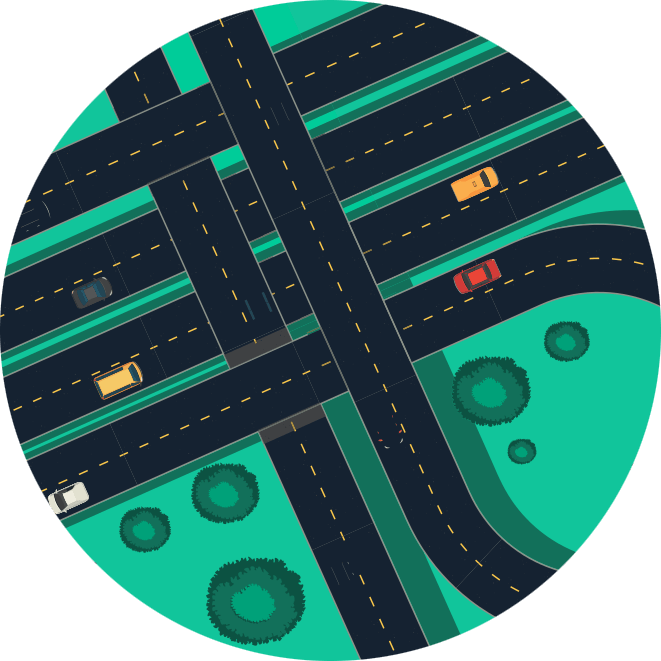
Annotated aerial imagery supports computer vision models used in military surveillance by enabling the detection, classification, and identification of relevant objects in imagery captured by unmanned aerial vehicles (UAVs). Structured labels help prepare training datasets for aerial scene analysis, terrain monitoring, and the identification of vehicles, infrastructure, and other objects of interest.
Roof Top Analysis
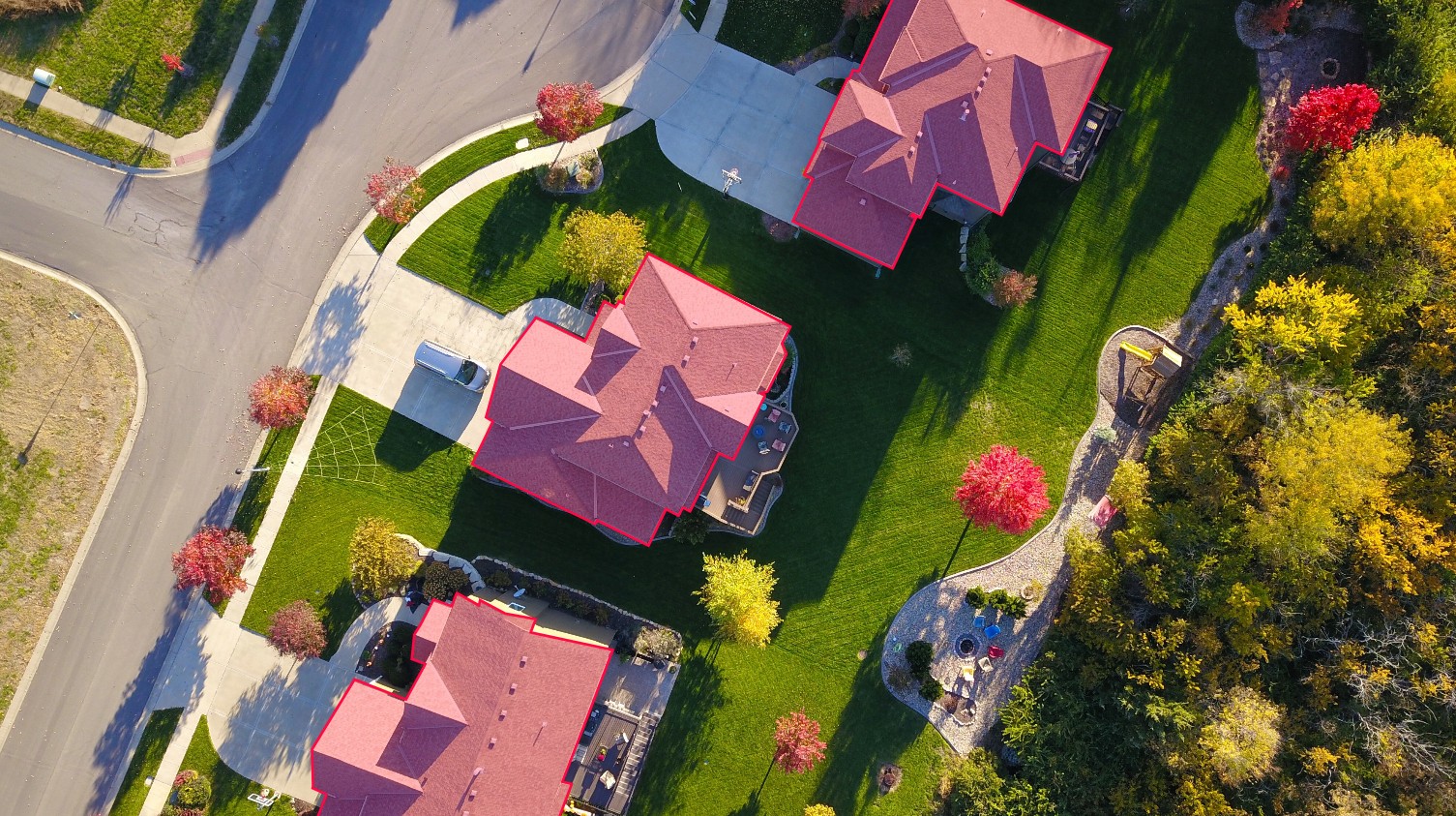
Aerial imagery annotation supports computer vision models used in military surveillance by identifying and analysing rooftop features in aerial imagery. This enables the assessment of structural characteristics and the detection of relevant installations, including::
- Material Type Analysis: Identifying roof materials and their visible characteristics.
- Roof Inclination Analysis: Analysing roof slopes and inclines to assess structural geometry.
- Roof Direction Analysis: Determining roof orientation based on aerial imagery.
- Solar Panel Detection: Identifying and locating solar panels visible on rooftops.
Geo-Spatial Analysis
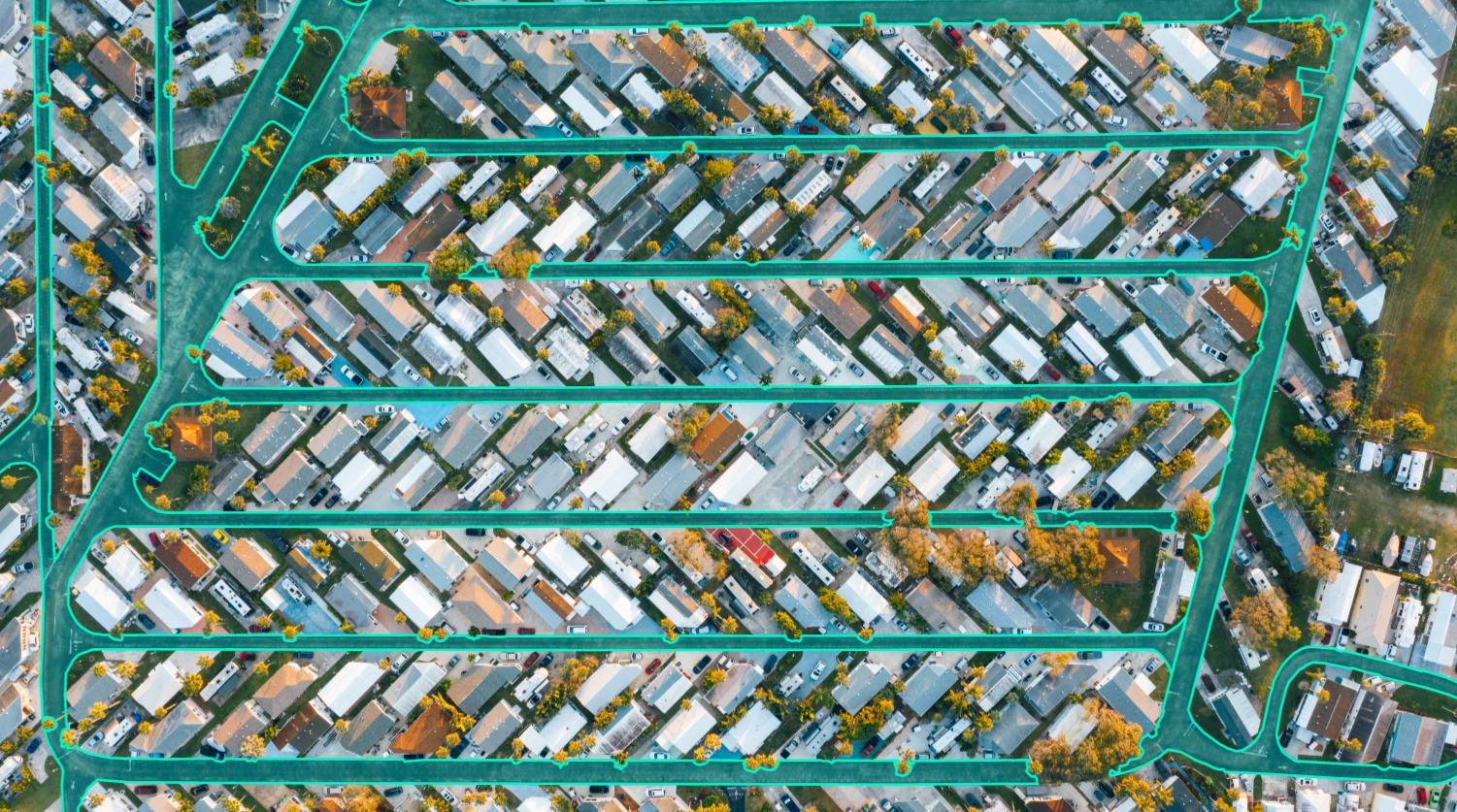
Satellite image annotation and geospatial data annotation help prepare and organise imagery of towns, cities, and forests for computer vision applications. These annotated datasets identify key geographic features, including roads, buildings, trees, and surrounding landscapes, supporting accurate spatial analysis and recognition of geographic features.
Field Analysis
Drone image annotation prepares crop-field imagery for AI-powered agricultural applications by identifying key field features and supporting crop health monitoring and field analysis. These annotated datasets enable computer vision models to analyse agricultural landscapes and assess crop conditions more effectively.

Industrial Inspection & Montoring System
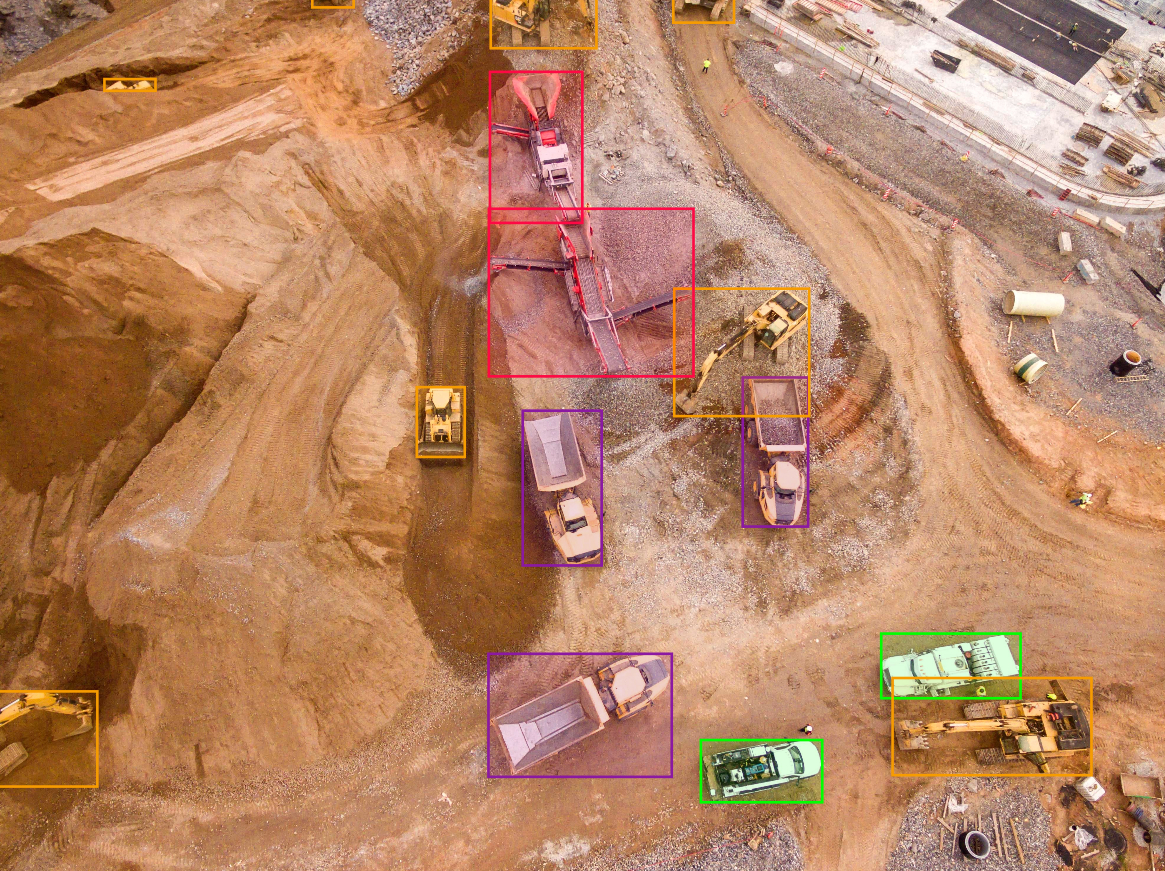
Annotated drone imagery helps train computer vision models to inspect and monitor large construction sites and industrial facilities. These datasets support the identification of relevant structures, objects, and visible site conditions, enabling efficient site assessment, infrastructure inspection, and ongoing monitoring.
Disaster Management System
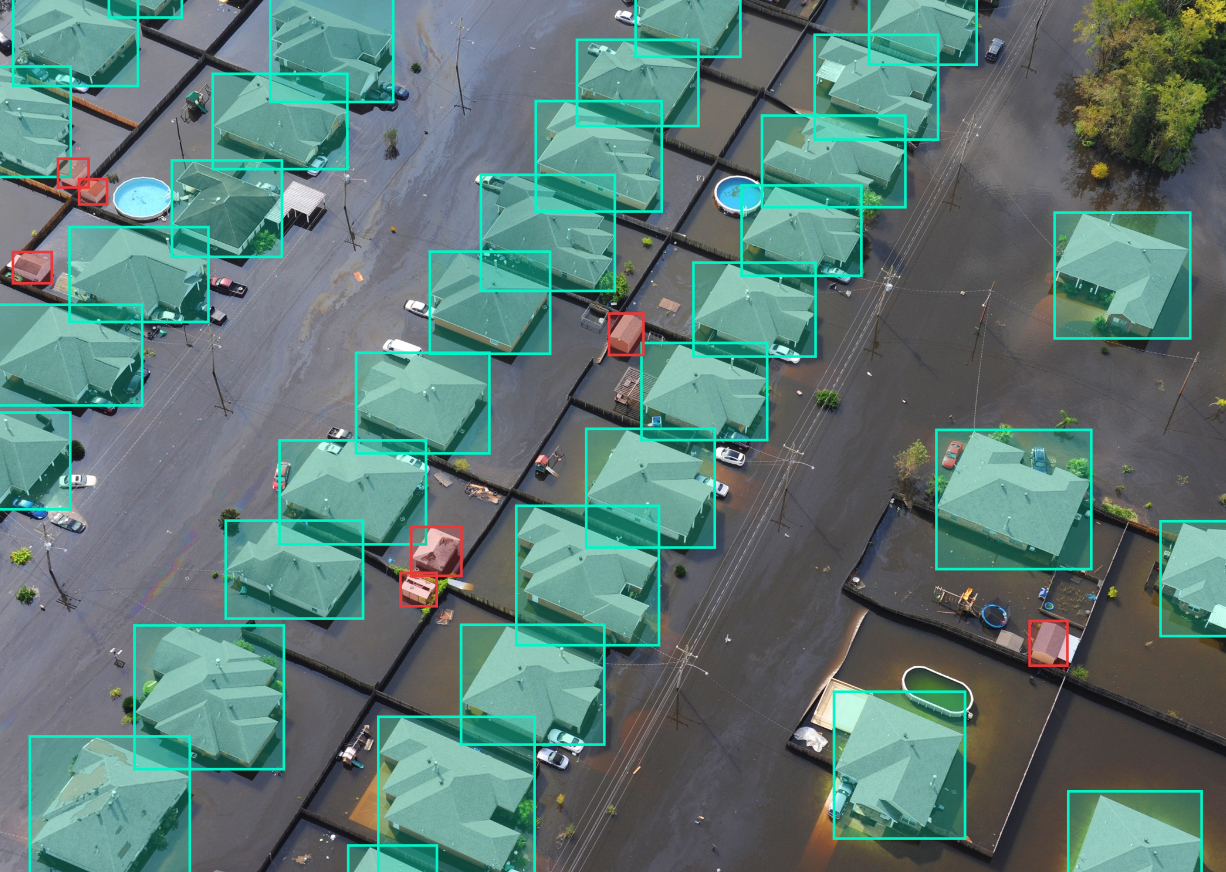
Aerial imagery annotation supports the development of computer vision applications for disaster assessment and emergency response. Annotated datasets help analyse affected areas, identify relevant features, and support applications such as:
- Disaster Impact Analysis: Assessing visible damage and identifying affected areas through aerial imagery.
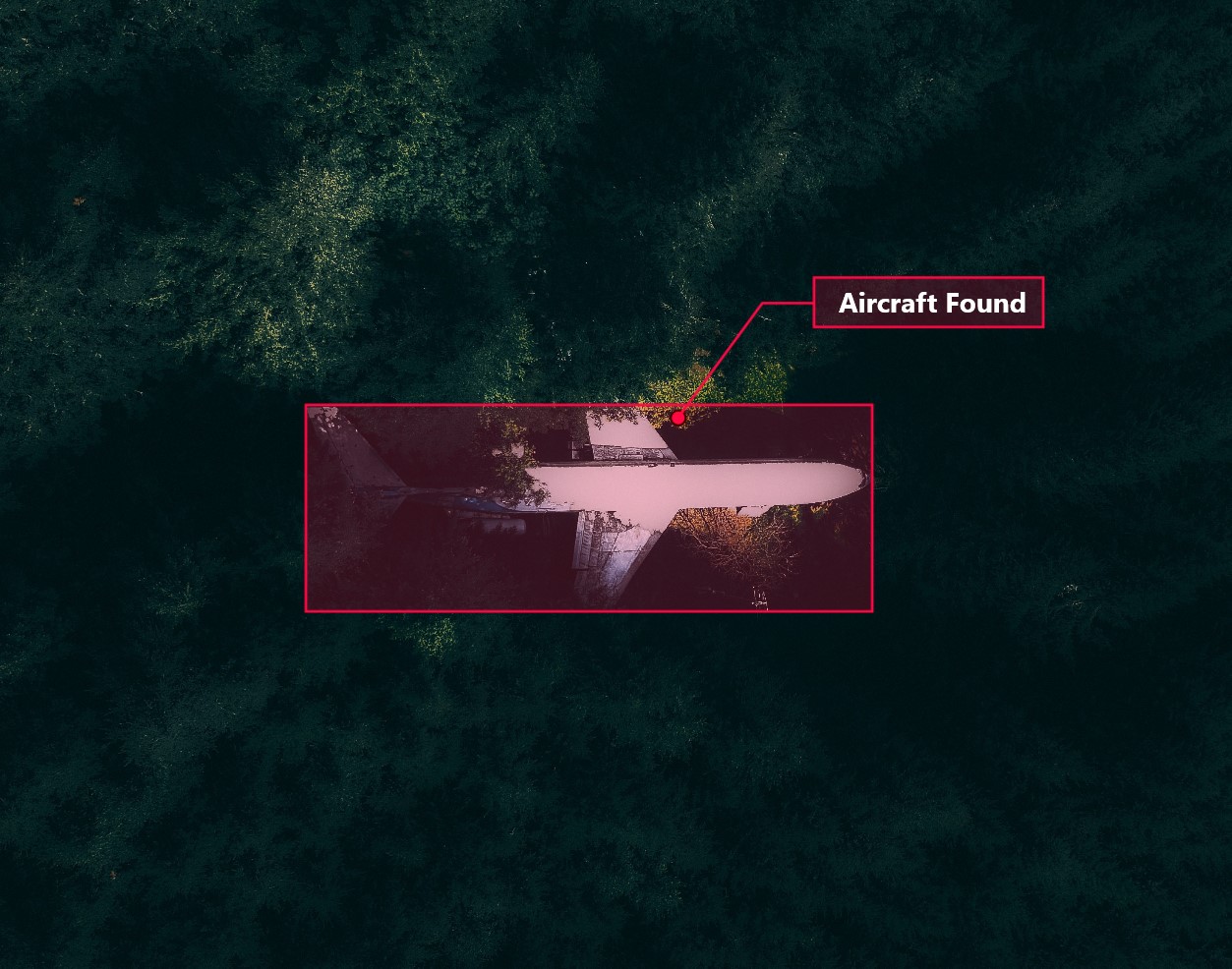
- Search and Rescue Support for People and Animals: Analysing imagery to help locate people and animals in areas affected by disasters.
- Imagery Analysis for Disaster Monitoring and Prediction Research: Preparing annotated imagery to support disaster monitoring and research into prediction models.
Search & Rescue
Drone and aerial image annotation helps prepare datasets for computer vision systems used to locate relevant objects and identify potential search areas. These datasets support search and rescue applications across diverse environments, including forests and maritime regions, where aerial imagery can assist in identifying areas of interest.







Frequently Asked Questions
Aerial image annotation for AI training is the process of labeling objects, regions, or features in images captured from drones, aircraft, or other aerial sources. The labels help prepare datasets for training and evaluating computer vision models.
Aerial image annotation supports AI applications such as infrastructure inspection, rooftop analysis, agricultural monitoring, geospatial mapping, disaster assessment, and aerial surveillance, depending on the target task
Aerial image annotation generally covers imagery captured from airborne platforms, including drones and aircraft. Satellite image annotation focuses on images captured by satellites. Both can involve labeling objects, land features, and regions for computer vision applications.
Depending on the task, aerial imagery can be annotated using bounding boxes, polygons, semantic segmentation, and instance segmentation. The appropriate technique depends on the objects being labeled and the model's intended output.
Aerial image segmentation assigns labels to pixels or regions within an image. Semantic segmentation identifies classes such as roads, buildings, and vegetation, while instance segmentation can distinguish individual objects within the same class.
Yes. Drone images can be labeled for object detection by marking target objects with bounding boxes or other supported annotation formats. The labeling approach depends on the target objects, image resolution, and training requirements.