


Product Image Annotation for Retail AI
Product image annotation for retail AI helps prepare visual datasets for AI models that recognize and categorize products. LabelOps annotates product instances using techniques such as bounding boxes, helping teams structure training data for product detection and classification tasks. These labeled datasets support retail AI applications, including product identification, shelf analysis, and visual inventory management.
Retail Video Annotation for Shopper Behaviour Analysis
Retail video annotation helps prepare video datasets for computer vision models that analyze visible shopper activity. Based on project requirements, annotators label people, actions, and relevant events across video frames. These datasets support the development of models for shopper movement analysis and visual security applications. Consistent annotation guidelines help maintain labeling accuracy and consistency across frames and video sequences.

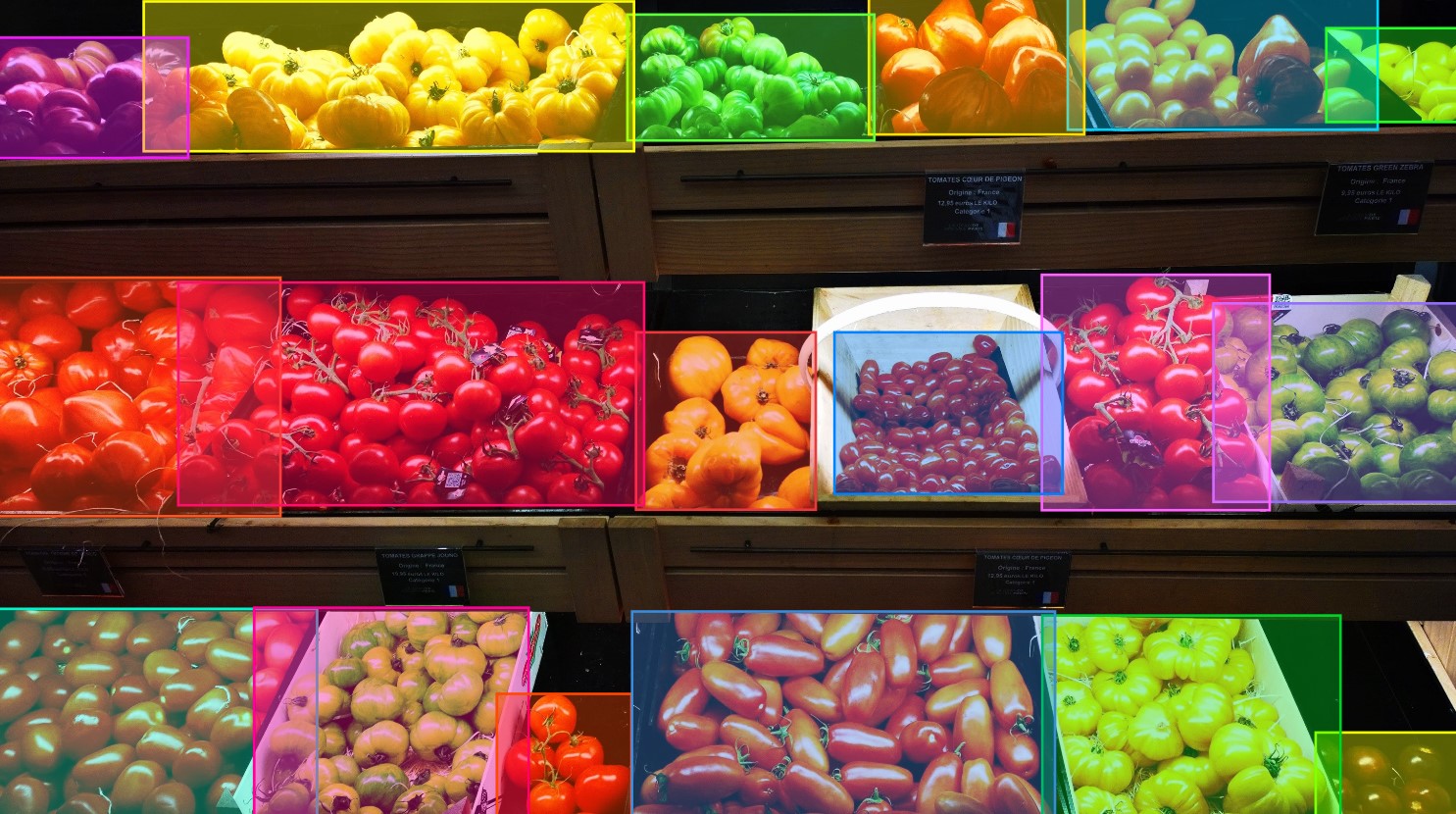
Image Annotation for Retail Shelf Monitoring
Image annotation for retail shelf monitoring prepares datasets with labeled products, shelf sections, and visible product placement. These annotations help train computer vision models to identify products on shelves and analyze shelf conditions. LabelOps organizes retail image datasets for AI training according to the required object labels, annotation format, and project guidelines.
Shopper Tracking Data Annotation for AI
Shopper tracking data annotation prepares retail video datasets by labeling individual people across multiple frames. Depending on the tracking workflow, annotations may include bounding boxes and consistent identifiers for the same visible person throughout a video sequence. These datasets support the development and evaluation of computer vision models for shopper movement analysis, store layout research, and customer-flow measurement.


Barcode and QR Code Annotation for Retail AI
Barcode and QR code annotation prepares retail images for computer vision models that locate visible codes. Based on project requirements, annotators mark code locations and apply the necessary labels to each dataset. These annotations support model development for retail product recognition and visual checkout workflows. Code localization can serve as a foundation for further applications, while barcode decoding, QR code reading, and payment processing require additional functionality.
Product Identification
Product identification annotation helps create labeled retail image datasets for AI models that recognize specific products or product categories. Annotators label product instances according to the project’s taxonomy, enabling teams to prepare consistent training data for product recognition and visual catalog applications. LabelOps adapts the annotation approach to the required product categories, image conditions, and model-training objectives.








Frequently Asked Questions
Retail data annotation services involve labeling retail images and videos with information such as product locations, product categories, shelf contents, people, and visible objects. The labeled datasets are used to train or evaluate computer vision models for retail applications.
Depending on the project's requirements and supported workflows, retail annotation may include store images, shelf photographs, product images, checkout scenes, and video footage containing shoppers or retail activities.
Product image annotation adds labels such as bounding boxes, categories, or product identifiers to images. These labels help prepare training datasets for models designed to detect, recognize, or categorize retail products.
It involves labeling products, shelf sections, and other relevant visible elements in retail shelf images. These datasets can support the development of computer vision models for shelf analysis and product placement monitoring.
Retail video annotation labels objects, people, and relevant activities across video frames. It can support training datasets for shopper movement analysis, object tracking, and visual security applications, depending on the annotation scope.
Shopper detection identifies people in individual images or video frames. Shopper tracking connects detections of the same person across multiple frames using a consistent tracking method, where supported.


